How to Choose a Commercial Contractor: What Customers Need to Know
What to look for in experience, pricing, scheduling, communication, and preconstruction before you sign a commercial construction contract.
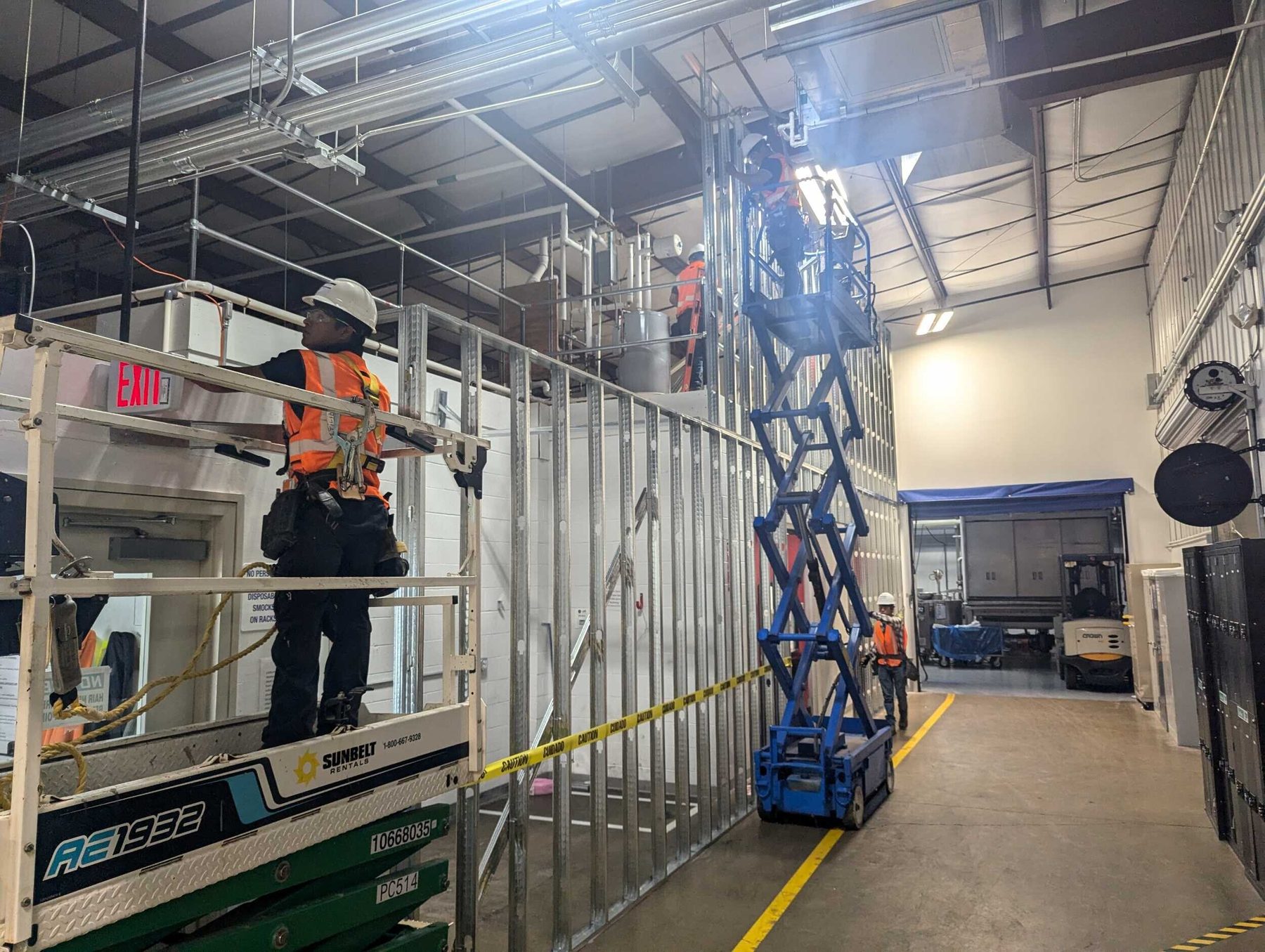
Choosing the right commercial contractor is one of the most important decisions you'll make when starting a construction project. Whether you're building a new commercial facility, renovating an existing space, completing a tenant upfit, or expanding your business, the contractor you choose can have a major impact on your budget, schedule, and overall experience.
At Black & Alm Construction, we believe customers should know what to look for before signing a construction contract. A good contractor shouldn't simply provide the lowest number — they should provide a clear plan for successfully completing your project.
Here are some of the most important things to consider when choosing a commercial contractor.
1. Look for Relevant Commercial Construction Experience
Commercial construction is different from residential construction. It often involves additional permitting requirements, accessibility standards, fire protection systems, commercial mechanical and electrical systems, inspections, and coordination between multiple trades.
Ask potential contractors about projects similar to yours. Questions you may want to ask include:
- Have you completed projects similar in size and scope?
- Do you regularly work with commercial architects and engineers?
- Are you familiar with local permitting and inspection requirements?
- Who will manage the project once construction begins?
- How do you coordinate subcontractors and suppliers?
A contractor doesn't necessarily need to have built your exact type of building before, but they should understand the complexities of commercial construction and have a proven process for managing them.
2. Make Sure the Scope of Work Is Clear
One of the biggest causes of construction disputes is an unclear scope of work. A proposal may look attractive because the price is lower, but that doesn't necessarily mean you're comparing the same project.
When reviewing bids, look closely at what is included — and what isn't. A strong commercial proposal should clearly identify major scopes such as:
- Sitework
- Concrete
- Framing
- Roofing
- Doors and windows
- Electrical
- Plumbing
- HVAC
- Fire protection
- Drywall and ceilings
- Flooring
- Painting and finishes
- Fixtures and equipment
- Permits and inspections
It should also identify exclusions and allowances. When comparing contractors, don't simply compare the number at the bottom of the proposal. Compare the scope behind the number.
3. Ask How Change Orders Are Handled
Changes happen during construction. An owner may decide to upgrade a finish. An architect may revise a detail. An unexpected condition may be discovered behind a wall or underground. A utility provider may require a change.
The important question is how those changes are handled. Before hiring a contractor, ask:
- How are change orders documented?
- Will I see pricing before additional work is performed?
- Who has authority to approve a change?
- How are schedule impacts communicated?
- How are subcontractor costs and markups handled?
A good change-order process protects both the contractor and the customer. You should understand what changed, why it changed, what it costs, and whether it affects the schedule.
4. Understand How the Project Will Be Managed
A successful commercial construction project requires more than craftsmen in the field. Someone needs to coordinate schedules, subcontractors, materials, inspections, architects, engineers, owners, and dozens of decisions throughout the project.
Ask who will actually manage your project. You should understand the roles of the:
Project Manager — typically responsible for contracts, costs, subcontractors, documentation, procurement, and communication.
Superintendent — typically responsible for daily field operations, subcontractor coordination, quality, safety, and schedule execution.
Estimator or Preconstruction Team — responsible for developing pricing and identifying potential scope issues before construction begins.
Clear responsibility and communication can prevent small problems from becoming expensive ones — it's part of how we approach every project.
5. Ask About Scheduling Before Construction Starts
Construction schedules aren't just about selecting a start date and completion date. Commercial projects may depend on:
- Permits
- Engineering
- Utility companies
- Long-lead equipment
- Owner selections
- Material availability
- Inspections
- Subcontractor availability
- Weather
Ask your contractor to explain how the schedule will be developed and updated. You should also understand which decisions you will need to make and when they need to be made.
A late flooring selection may seem minor, for example, but if the material has a six-week lead time, it can affect several activities that follow it. Good contractors identify these decisions early.
6. Communication Matters More Than Most Customers Expect
Construction produces a constant stream of decisions. That makes communication one of the most important parts of the contractor-client relationship.
Ask potential contractors:
- How often will I receive project updates?
- Will I have access to the construction schedule?
- How are questions and RFIs tracked?
- How will selections be documented?
- Will progress photos be available?
- How will change orders be presented?
- Who should I contact when I have a question?
You shouldn't have to wonder what's happening on your project. Consistent communication helps owners understand progress, upcoming decisions, budget changes, and potential challenges before they become surprises.
7. Don't Automatically Choose the Lowest Bid
Price matters. But the lowest bid isn't always the lowest final cost. One contractor may include items another contractor has excluded. Another may carry more realistic allowances. A contractor may also identify potential problems during estimating that others overlooked.
Instead of asking "Who has the lowest bid?" — consider asking "Which contractor gives me the clearest picture of what this project will actually cost?"
A detailed and transparent proposal can be much more valuable than a low number followed by numerous unexpected costs later.
8. Check Licensing, Insurance, and Qualifications
Before signing a construction contract, verify that your contractor has the appropriate licensing and insurance for the work being performed. Depending on the project, you may also want to ask about:
- General liability insurance
- Workers' compensation coverage
- Contractor licensing
- Bonding capabilities
- Safety procedures
- Subcontractor qualification
- Warranty procedures
Professional contractors should be comfortable discussing these items.
9. Ask About Preconstruction
Some of the most valuable work on a commercial construction project happens before anyone arrives at the jobsite. Preconstruction can include:
- Reviewing drawings
- Developing preliminary budgets
- Identifying value-engineering opportunities
- Reviewing constructability
- Evaluating material lead times
- Coordinating with architects and engineers
- Developing schedules
- Obtaining subcontractor pricing
- Identifying potential scope gaps
Bringing a contractor into the project early can help uncover problems while they are still relatively inexpensive to solve. Changing a line on a drawing is usually much easier than changing something after it has already been built.
10. Choose a Contractor You Can Work With
Commercial construction projects can last months — or longer. During that time, you'll be making important decisions together, solving unexpected problems, reviewing costs, and coordinating schedules.
Experience and pricing matter, but so does the working relationship. Look for a contractor who:
- Communicates clearly
- Answers questions directly
- Documents decisions
- Provides realistic expectations
- Identifies problems early
- Offers solutions instead of excuses
- Treats your project like a partnership
The goal should be more than simply finishing the building. The goal should be delivering a successful project while giving the owner confidence throughout the construction process.
Planning a Commercial Construction Project in Western North Carolina?
If you're considering a commercial construction project, renovation, addition, or tenant upfit, Black & Alm Construction can help you evaluate the project before construction begins.
Our team works with owners, architects, engineers, subcontractors, and suppliers to develop clear scopes, realistic budgets, and practical construction plans. Early conversations can often identify potential challenges, budgeting concerns, and scheduling issues long before they become expensive problems.
Contact Black & Alm Construction to discuss your upcoming commercial project in Western North Carolina. Whether you're still evaluating a property, working through design, or preparing to request construction pricing, we're happy to help you understand the next steps.